
Whether you’re a homeowner or a contractor, choosing the best dumpster size for your roofing job is critical. Planning ahead for your disposal needs will help keep the project running smoothly from start to finish.
Assess the Amount of Debris
Accurately calculating the amount of debris is key to picking the right dumpster size for your roofing project. Numerous elements go into this calculation, such as:
- The size of the roof
- The type of shingles, tile, or shakes
- The number of layers of shingles or other roofing materials
It’s also important to consider the roof’s condition and age. If you know the roof is in poor condition or that there’s significant damage to underlying layers or structures, you need to account for waste generated by removing those elements.
Lastly, don’t forget to factor in roofing materials outside of the main shingles or tiles. These materials can include:
- Underlayment
- Nails
- Flashing
- Miscellaneous debris
Typically, you can add 10–15% on to the main debris volume to account for these “extras.”
Calculate Debris Volume and Weight
When you rent a dumpster, there are two different measurements to always keep in mind—how much you’re putting in (the volume) and how much it weighs. Dumpster rental companies have strict weight and volume limits, and overfilling can result in costly fines.
Debris Volume
To estimate the volume of your roofing debris, it’s important to gather as much of the above information as possible. Once you know the size of your roof, you can convert that into “roofing squares”—the standard unit of measure used in the roofing industry. One roofing square equals 100 square feet of roof area (essentially a 10′ by 10′ unit).
When you know how many roofing squares you have, you can use your shingle or tile type to calculate the total volume of those squares. If your roof has multiple layers, multiply the total volume by the number of layers.
At this point, you can add any additional elements, such as repair-generated debris and adjunct waste from nails, flashing, etc. You may have to estimate these quantities, but an informed estimate is better than not accounting for them at all.
Debris Weight
Knowing the volume of your roofing debris is step one, but you can’t stop there. You also need to calculate the weight.
The total weight depends on the material, the weight of each piece, and the number of pieces per roofing square. You may need to consult a roofing supply source to get this information.
Once you know the weight of one roofing square, you can use that number to calculate the total weight of your project based on the number of roofing squares you’re removing. If you’re taking off multiple layers, make sure you account for those as well.
Choose Your Dumpster
Dumpsters come in a range of sizes, and each has specific volume and weight limits. For a roofing job, you’ll likely need a dumpster in the 10–30 yard range.
You can take your debris calculations to your local dumpster rental company to determine what size dumpster is appropriate for the volume and weight of your roofing debris. They’ll be able to guide you to the right-sized dumpster using the info you bring, as well as their professional expertise and experience.
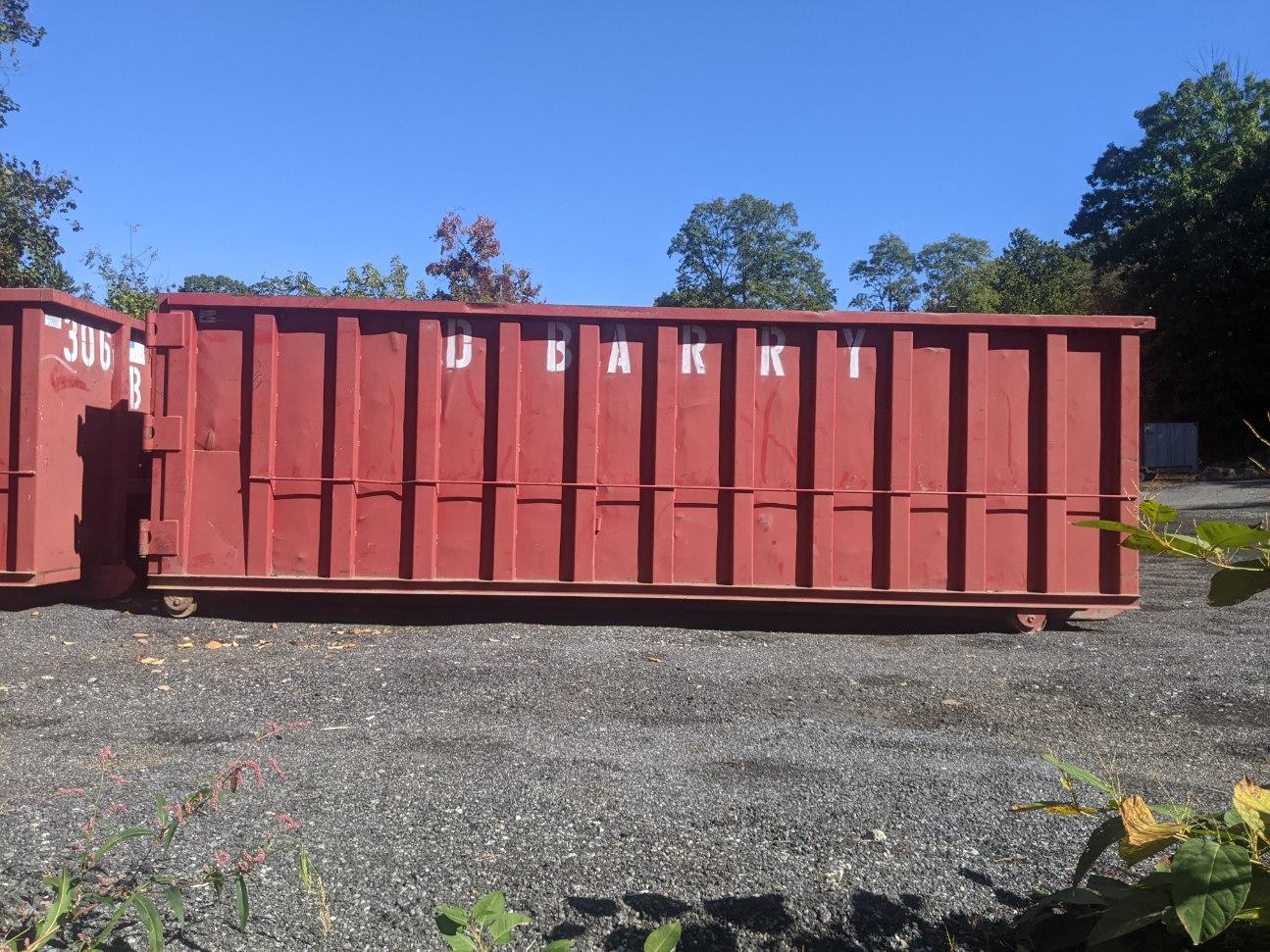
If you need a dumpster rental for your next roofing job in Westchester County, call D. Barry Rubbish Inc. today. We’re proud to be your local dumpster rental experts. We have over 20 years of experience guiding DIYers and professionals to the best dumpster size for their projects. You can count on our family-owned company for outstanding customer care and prompt, reliable service.


